

 How to Train Pokémon in Champions | Full Training Guide
category:Pokemon Champions
May-30-2026 Source: PKMBUY
Every trainer faces the same challenge in Pokémon Champions: why does a seemingly solid team keep losing matches? The answer is rarely just bad luck—it usually comes down to training. Stats alone won’t win battles; how you invest your resources, define roles, and optimize your builds is what separates average teams from consistent winners. Whether you’re struggling in early fights or aiming for competitive ranks, this guide breaks down every key aspect of training to help you build a team that truly dominates.
Quick Answer (Core Training Principles)
If you just want the key takeaways:
- Focus your VP on 2–3 core Pokémon instead of spreading it across your entire team.
- Prioritize Speed for attackers—moving first often wins matches before your opponent can act.
- Define clear roles (attacker, tank, support) for every Pokémon to guide your upgrades.
- Never train trial Pokémon—only invest in recruits you plan to keep permanently.
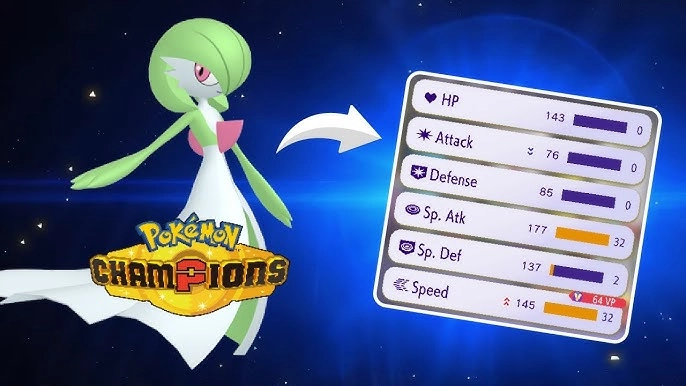
What Does Training Do in Pokémon Champions?
Training is your core tool to customize and strengthen your Pokémon beyond their base form. With it, you can:
- Boost core stats like Attack, Defense, and Speed
- Swap out moves to improve damage coverage or utility
- Adjust abilities to better fit your team strategy
This means even the same Pokémon can perform drastically different roles depending on how you train them. A well-optimized build can turn a seemingly average Pokémon into a match-carrying star.
How to Train Pokémon: Step-by-Step Basics
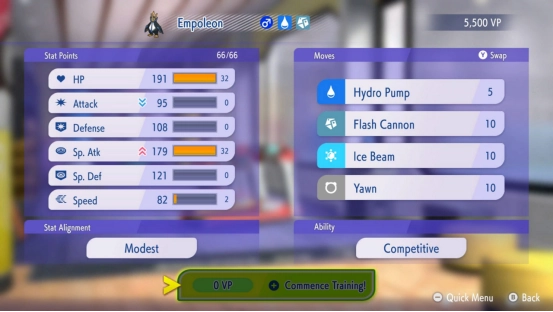
Training is managed through the in-game Pokémon management system. The process is straightforward:
- Select a Pokémon from your active team
- Open the dedicated training/upgrade menu
- Spend Victory Points (VP) on stat boosts, move changes, or ability adjustments
Each upgrade costs VP, and costs scale as you invest more into a single Pokémon. Since VP is also used for recruiting new team members, careful resource management is critical. A common mistake is spreading VP too thin across too many Pokémon—we’ll cover how to avoid that later.
Critical Limitation: Trial Pokémon Cannot Be Trained
One of the most important rules to remember is: you cannot train Pokémon during Trial Recruitment. This means trial Pokémon cannot receive stat upgrades, move changes, or ability adjustments. They exist only for testing purposes.
Because of this, some Pokémon may feel weaker during trials than they actually are once fully trained. Always follow this sequence:Trial → Recruit Permanently → Train
Never waste VP on a Pokémon you haven’t fully committed to.
Stats 101: Understanding What to Prioritize
To train effectively, you need to know exactly what each stat does and which ones matter most for your Pokémon’s role.
Attack & Special Attack
- What they do: Directly increase damage output
- Best for: Offensive attackers and sweepers
- Key tip: These are the top priority for your main damage dealers. Even a small boost to these stats can drastically improve your ability to knock out opponents quickly.
Defense & Special Defense
- What they do: Reduce incoming damage from physical and special attacks
- Best for: Defensive tanks, anchors, and bulky supports
- Key tip: These are essential for Pokémon meant to take hits and stay on the field. Prioritize these stats for Pokémon you plan to use as your team’s main wall.
Speed
- What it does: Determines turn order and attack priority
- Why it matters: Often the deciding factor in matches. Moving first lets you deal damage, apply pressure, or eliminate threats before they can act.
- Key tip: For aggressive “glass cannon” builds, Speed is just as important as Attack. A slightly weaker Pokémon with higher Speed will often outperform a stronger but slower one simply because it gets the first move.
Early Meta Strategy: Build Aggressively
Right now, the early game meta heavily favors fast, high-damage builds over slow, defensive ones. Matches are often decided in the first few turns, so controlling the pace with speed and burst damage is key.
Core Priorities for Early Success
- Speed first, then damage: Prioritize Speed for your attackers to ensure they move first, then invest in Attack or Special Attack for knockout power.
- Focus resources, don’t spread them thin: Instead of upgrading every Pokémon on your team, pour VP into 2–3 core members. A small number of fully optimized Pokémon will outperform a full team of underpowered ones.
- Build specialized roles: Every Pokémon should have a clear job—attacker, tank, or support. Don’t try to make every Pokémon do everything.
Step-by-Step Training Strategy (Simple & Effective)
If you’re unsure where to start, use this structured approach to build your team:
Step 1: Define Each Pokémon’s Role
Before you spend a single VP, decide what each team member is meant to do:
- Attacker: Deals primary damage, takes out threats quickly
- Defensive Anchor: Absorbs hits, stalls opponents, and controls the battlefield
- Balanced/Support: Provides utility, heals, or sets up conditions while dealing minor damage
Step 2: Allocate VP Based on Role
Once roles are clear, focus your upgrades accordingly:
- Attackers: Max out Attack/Special Attack and Speed for glass cannon builds
- Defensive Pokémon: Prioritize Defense/Special Defense and HP for survivability
- Balanced Pokémon: Mix offensive and defensive stats carefully, leaning slightly toward their primary function
Step 3: Upgrade Your Core Team First
Don’t waste VP on experimental or backup Pokémon until your main team is strong. Prioritize:
- Your primary attackers
- Your defensive anchors
- Secondary team members
- Experimental or niche picks
This gives you the highest return on investment and ensures you’re not spreading your resources too thin.
Beyond Stats: Optimizing Moves & Abilities
Training isn’t just about stat boosts—tweaking moves and abilities can often make a bigger difference than a few extra points of Attack.
Changing Moves
Use training to:
- Replace weak or redundant moves with stronger options
- Add type coverage to counter common threats
- Improve consistency with moves that have high accuracy or reliable effects
If you’re unsure which moves work best for your Pokémon, check out dedicated move guides to optimize your setup before committing VP.
Adjusting Abilities
Abilities are often overlooked but can completely change how a Pokémon performs. Use training to:
- Match abilities to your playstyle (e.g., defensive abilities for tanks, offensive abilities for sweepers)
- Improve synergy with your team (e.g., abilities that boost ally damage or set up field conditions)
- Adapt to common meta threats (e.g., abilities that counter popular types or strategies)
When to Train (and When to Wait)
Timing your upgrades is just as important as how you spend VP.
Train when:
- The Pokémon is permanently recruited (not in trial)
- You’re confident it fits your team long-term
- You understand its role and how it contributes to your strategy
Avoid training when:
- The Pokémon is still in trial recruitment
- You’re unsure about your team’s overall structure
- You have very low VP and need to save for recruitment
Spending VP too early on unproven Pokémon can slow your progress significantly. Always test first, commit second.
Common Training Mistakes to Avoid
These are the most frequent errors players make when training their teams:
- Training trial Pokémon: Wasting VP on Pokémon you might not keep
- Upgrading all stats equally: Creating “jack-of-all-trades” builds that excel at nothing
- Changing moves without a plan: Swapping moves just because they look stronger, without considering team synergy
- Spreading VP across too many Pokémon: Ending up with a full team of underpowered Pokémon
Fixing these mistakes can quickly turn a losing streak into a winning one.
How Training Fits Into Team Building
Training is what turns a decent team into a strong one. A well-trained team will:
- Deal more consistent damage
- Survive longer against common threats
- Adapt to different playstyles and matchups
Training doesn’t exist in a vacuum—it works hand-in-hand with your team’s structure. If you’re still working on your team composition, combining training with clear roles will help you build a cohesive, flexible team that can handle any opponent.
Final Thoughts
Mastering how to train Pokémon in Pokémon Champions is what separates casual players from competitive contenders. Once you understand how to prioritize stats, focus your resources, and optimize moves and abilities, you’ll start to see a real difference in your win rate.
By following the strategies in this guide—focusing on core Pokémon, defining clear roles, and avoiding common mistakes—you can build a team that’s not only powerful but also tailored to your playstyle. Remember: training isn’t just about making your Pokémon stronger; it’s about making them the right kind of strong.


